
Allergy season in Florida, month by month
Florida's pollen season peaks from January to June, and grass, ragweed and mold keep going after it. Here is what is in the air each month, from oak to grass to ragweed, why the season runs so long here, and what you can do about it today.
Quick answers
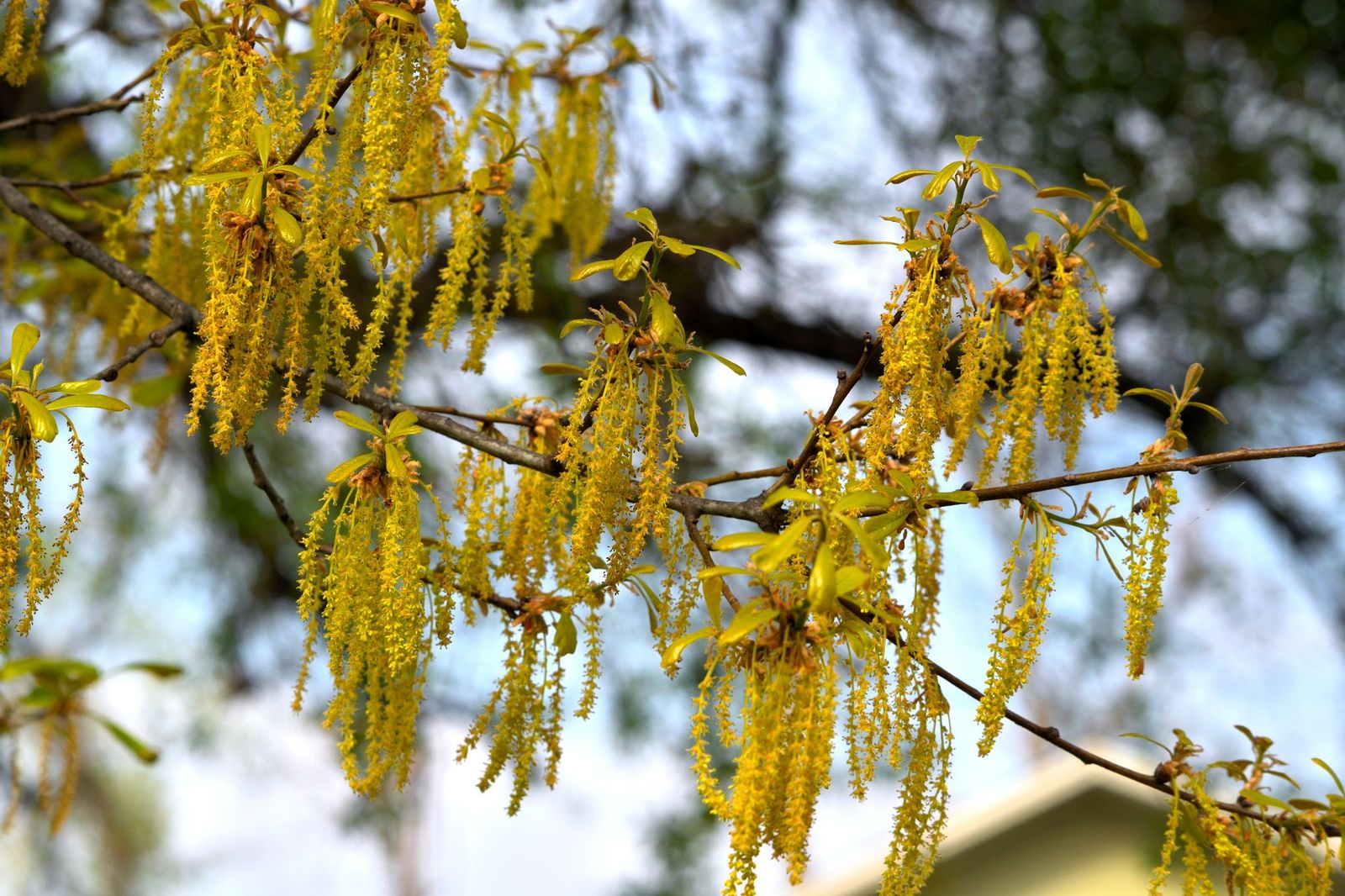
Florida’s pollen peaks from January to June, and from February to May in South Florida. Oak peaks February to May, ragweed July to November, and outdoor mold spores can be found all year in the South. Sources: UF/IFAS, UF/IFAS Gardening Solutions, UF/IFAS on ragweed, AAAAI.
- The worst months for trees: March and April are the height of the season, according to a UF/IFAS urban forester.
- The main source: trees account for about 80% of the airborne pollen in Florida.
- Seasons are getting longer: across 60 North American pollen stations from 1990 to 2018, pollen seasons started about 20 days earlier, lasted about 8 days longer and carried 21% more pollen (PNAS, 2021).
- How common it is: one-quarter of U.S. adults (25.2%) had a seasonal allergy in 2024 (CDC).
When is allergy season in Florida?
In Florida, pollen season “peaks from January to June,” according to the University of Florida’s Institute of Food and Agricultural Sciences (UF/IFAS). It starts in North Florida and moves south, peaking in South Florida from February to May. How dense the pollen gets depends on the place: its tree species, its local climate and its elevation (UF/IFAS).
That is the tree peak. Florida’s full allergy year runs longer, because its plants keep a different calendar. In most of the United States, trees pollinate in spring, grasses in summer and weeds in fall. In Florida, UF/IFAS says, trees pollinate in winter and spring, grasses in spring, summer and fall, and weeds in spring, summer, fall “and even in winter” (UF/IFAS Gardening Solutions). A 2010 review of Florida’s allergy plants reached the same conclusion: they do not follow the national pattern (Allergy and Asthma Proceedings).
What pollen is in the air in Florida, month by month?
Each row cites its sources. Read the months as a guide, not a schedule: rain dampens pollen and keeps it out of the air, a sudden cold snap can slow trees down, and a mild winter can bring an early start (UF/IFAS).
| Month | What is in the air | Sources |
|---|---|---|
| January | Tree season opens. The statewide peak runs January to June and starts in North Florida | UF/IFAS |
| February | Peak season begins for Florida’s 11 oak species, and South Florida’s February-to-May peak begins | UF/IFAS Gardening Solutions, UF/IFAS |
| March | The height of the season. In 2026, laurel oaks led around Tampa, with live oaks and cedars next | UF/IFAS |
| April | Still the height of the season, with oaks in their February-to-May peak | UF/IFAS, UF/IFAS Gardening Solutions |
| May | The last month of the oak peak and of South Florida’s peak | UF/IFAS Gardening Solutions, UF/IFAS |
| June | The statewide peak ends and tree pollen tapers off; grasses pollinate through spring, summer and fall | UF/IFAS, UF/IFAS Gardening Solutions |
| July | Grasses ramp back up; ragweed’s July-to-November peak begins; outdoor mold spores peak in July in warmer states | UF/IFAS, UF/IFAS on ragweed, AAAAI |
| August | Grasses, including Bahiagrass, Florida’s most abundant grass; ragweed; mold spores in the summer rainy season | UF/IFAS Gardening Solutions, UF/IFAS on ragweed, Central Florida mold study |
| September | Ragweed’s peak continues, with grasses and mold | UF/IFAS on ragweed, UF/IFAS Gardening Solutions, AAAAI |
| October | Ragweed’s peak continues, and grasses keep pollinating into fall | UF/IFAS on ragweed, UF/IFAS Gardening Solutions |
| November | Ragweed’s peak ends; weeds can still pollinate, even in winter | UF/IFAS on ragweed, UF/IFAS Gardening Solutions |
| December | Some areas see high oak pollen counts as early as December; Bermudagrass pollinates year-round in subtropical parts of the state | UF/IFAS Gardening Solutions |
Why are my allergies so bad right now in Florida?
Hay fever brings sneezing, stuffiness, a runny nose and itching in the nose, the roof of the mouth, the throat, eyes or ears (AAAAI). In Florida, several things can stack up at once:
- The pollen you can’t see. Pine’s yellow dust is easy to blame, but UF/IFAS calls pine pollen low-allergenic and says invisible pollen is the more likely culprit (UF/IFAS Gardening Solutions).
- Wind and dry days. Pollen travels more in hot, dry, windy weather, and symptoms often ease on rainy, cloudy or windless days (AAAAI). In South Florida, frequent thunderstorms help keep pollen down (UF/IFAS).
- Longer seasons. The PNAS study above attributes about half of the trend toward earlier, longer North American pollen seasons to human-caused climate change.
Is it allergy season in Florida right now?
Most months, yes. In October, for example, ragweed is in its July-to-November peak and grasses are still pollinating. For a given day, check a count, not only a forecast: counts show real-time conditions, while forecasts often rely on past data and general weather (AAAAI), and the 2010 Florida review warned that counts reported to the public may mislead without interpretation. Keep a short note of the weeks your symptoms flare: test results are read together with your history.
When does pollen season end in Florida?
The tree peak winds down after June. A UF/IFAS forester describes the season tapering off in summer, then ramping back up with grasses (UF/IFAS). As the AAAAI puts it, “In warmer places, pollination can be year-round” (AAAAI).
Why mold never takes a season off
Mold spores float through the air like pollen. The AAAAI says outdoor spores rise with spring temperatures, peak in July in warmer states and can be found year-round in the South. Indoors, a study of central Florida homes with no obvious moisture problems found airborne spores during the summer rainy season, at lower levels than outdoors (PubMed). The molds that most often cause allergy symptoms include Alternaria, Aspergillus, Cladosporium and Penicillium (AAAAI), and all four are on the 78-antigen skin prick test panel.
What you can do today
- Check the day’s pollen and mold levels on the AAAAI’s National Allergy Bureau site, which UF/IFAS points readers to, before outdoor plans.
- Plan outdoor time around peak pollen hours. UF/IFAS suggests limiting time outside from 10 a.m. to 4 p.m. and on windy days.
- Rinse pollen off. Shower, wash your hair and change clothes when you come inside (AAAAI).
- Keep pollen out of the laundry. Dry clothes in a dryer, not on a line (UF/IFAS Gardening Solutions).
- Keep indoor humidity below 60% and fix leaks, to keep mold down (AAAAI).
- Wear a mask for mowing and yard work, as UF/IFAS suggests, or let someone else mow.
- Start early. Most hay fever medicines work best when started before a pollen season begins, the AAAAI says. Florida’s tree peak starts in January, so ask your doctor about timing before then.
- Find out what you react to. Bring your symptom notes to your primary care doctor and ask whether their office offers in-office allergy testing. If testing points to treatment, read how allergy shots work, and check your coverage before the visit.
Bio Elite Laboratories builds in-office allergy programs inside primary care practices in South and Central Florida, so patients are tested and treated by the doctor they already know. Bio Elite does not diagnose or treat.
Frequently asked questions
For tree pollen, March and April are the height of the season, according to a UF/IFAS urban forester, inside a statewide peak that runs from January to June (February to May in South Florida). If grass, ragweed or mold sets off your symptoms, your worst months can fall in summer and fall instead.
February to May is peak pollinating season for Florida's 11 oak species, according to UF/IFAS, and some areas see high pollen counts as early as December. UF/IFAS counts oak among the most allergenic trees in the state.
Florida has more frequent and longer pollen seasons than most of the country, UF/IFAS says: trees pollinate in winter and spring, grasses in spring, summer and fall, and weeds in any season. The AAAAI adds that outdoor mold spores can be found year-round in the South.
Yes. Ragweed's peak season runs from July to November, and grasses keep pollinating into the fall, according to UF/IFAS. Outdoor mold spores can also be found year-round in the South, according to the AAAAI.
Less than its yellow dust suggests. UF/IFAS calls pine pollen low-allergenic and says pollen you can't see is the more likely cause of allergy symptoms. Oak, eastern red cedar, bald cypress and wax myrtle are among the Florida trees with highly allergenic pollen.
Ready to find out what you are allergic to?
Allergy testing runs in the doctor's office, with results the same visit. Ask your primary care doctor whether their office offers it.