
Skin prick test: what to expect, step by step
A skin prick test shows which allergens your skin reacts to: a drop of each goes on the skin, a light prick lets it in, and every spot is read against two controls. Here is each step, how the reading works, what wheal sizes mean and which medicines to pause first.
Skin prick test results are usually seen within 15 to 20 minutes. MedlinePlus, Allergy testing - skin
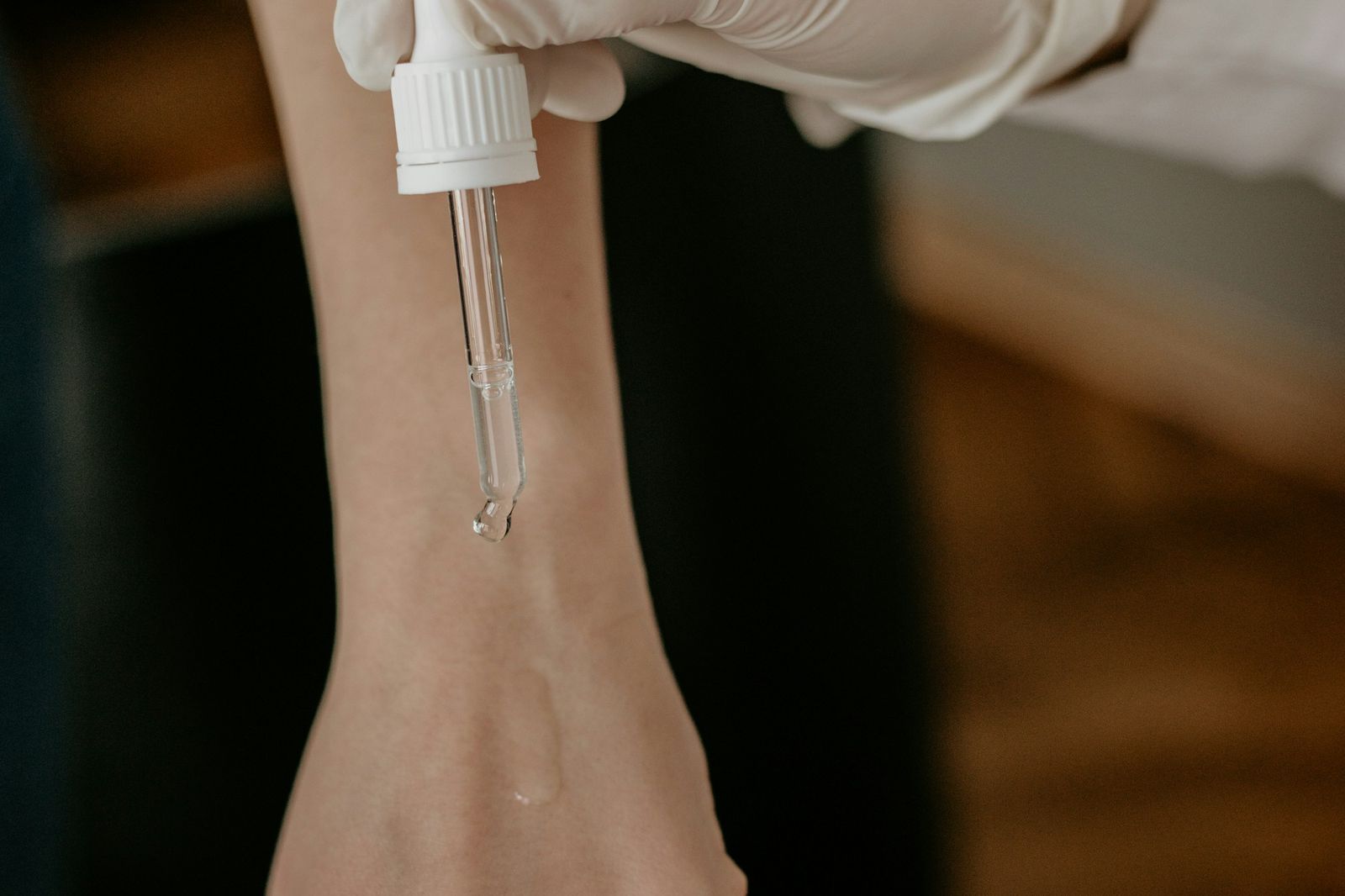
What a skin prick test measures
Each prick lets a tiny amount of one allergen just under the skin’s surface (MedlinePlus). If your immune system is sensitized to it, skin cells release histamine and other chemicals, raising an itchy bump (a wheal) with redness around it (a flare) (European skin prick test standards). If you are allergic to ragweed pollen but not to cats, only the ragweed spot swells; the cat spot stays normal (AAAAI).
What’s included
- 78 antigens, each on its own spot, including pollens of allergy season in Florida such as oaks, queen palm and Bermuda grass.
- 20 foods, read with extra care: a positive food spot does not always mean a food allergy.
- Two controls, histamine and saline, which show whether your skin can be read; see the full panel, group by group.
- Results the same visit, explained by your own doctor, in a program Bio Elite builds inside primary care practices.
- Children can be tested too, when their doctor decides a test fits.
- A treatment path if you need one: if your doctor prescribes allergy shots, your vials are prepared in the practice the next day.
How to prepare: medicines and the day of the test
Antihistamines blunt the reaction. Many guidelines suggest stopping them 3 to 4 days ahead, but ACAAI notes that a significant number of patients still react less for up to 7 days, which is why most are stopped at least 7 days before (ACAAI); the full list of what to pause has the exceptions. Also:
- Tell the office about every medicine, including a steroid cream used where the test will go: European testing standards list it among medicines that can weaken reactions.
- Never stop a prescription medicine on your own. If you can’t stop one, the provider may test a different way (MedlinePlus).
- Shower if you like, but skip lotion on the test area; shave the area the night before or that morning, and tie up hair that reaches below your shoulders (Cleveland Clinic).
- Plan for less than an hour: that is how long Cleveland Clinic says a skin prick test takes.
The skin prick test, step by step
- History first. The doctor asks about your symptoms, where you live and work, and your medicines (MedlinePlus).
- Clean skin, marked spots. The area, usually the forearm or back, is cleaned and each spot is labeled (Cleveland Clinic).
- One drop, one light prick, for each antigen. Testing standards call for spots at least 2 cm apart, so one reaction can’t spill into the next (European standards).
- Two controls. Histamine should raise a wheal; saline should not.
- A timed wait. Every spot, controls included, is read 15 to 20 minutes after the pricks, even though histamine can peak at about 8 to 10 minutes.
- Measured and explained. Each wheal is measured across its widest point, in millimeters, and your doctor goes over the results with you the same visit.
How the reading works: an allergy skin test results chart
| Spot | What should happen | What the result means |
|---|---|---|
| Histamine (positive control) | A wheal appears | It does: your skin can react and the test went on correctly. It doesn’t: a medicine may be blocking reactions, so negatives may not be reliable. |
| Saline (negative control) | Nothing appears | Nothing: the skin reads cleanly. A wheal: dermographism (skin that welts from pressure), which makes results hard to interpret. |
| Allergen, wheal of 3 mm or more | Widest diameter measured | Positive: your skin is sensitized to it. |
| Allergen, no wheal | Nothing appears | Negative: most often not allergic to it; rarely, allergic anyway. |
The 3 mm cutoff and the control rules come from the European standards; the meaning of results, from MedlinePlus and Cleveland Clinic.
What wheal size means, and what it doesn’t
“A stronger response means you are likely more sensitive to the substance.” — MedlinePlus
Sensitive is not the same as allergic. A positive spot counts when it matches your symptoms and history: sensitization to house dust mite, for example, shows up in some people with no symptoms from it (European standards). For foods, ACAAI says wheal size does not necessarily predict how severe a reaction would be (ACAAI).
How safe is a skin prick test?
AAAAI calls skin testing relatively painless, and the small hives typically go away within 30 minutes (AAAAI), though some wheals last several days (Cleveland Clinic). A whole-body reaction (anaphylaxis) is very rare with skin testing but can be life threatening (MedlinePlus). Testing runs only while a licensed provider (a physician, nurse practitioner or physician assistant) is on site.
Warning: If you have ever had anaphylaxis, or your asthma is acting up on test day, tell the office before the test starts. Symptomatic asthma may raise the risk of an asthma flare with testing (European standards).
When a skin prick test is not the right choice
- Widespread eczema, hives or dermographism make the test hard to read (European standards); a blood test may serve better (ACAAI).
- A medicine you can’t pause. AAAAI says IgE blood tests are used when skin tests might be unsafe or won’t work.
- A rash from something that touched your skin. That calls for a patch test: allergens stay taped on for 48 hours and are checked at 72 to 96 hours (MedlinePlus).
- Insect stings or penicillin are more often checked with intradermal tests (MedlinePlus), and this panel does not test venoms or medicines. A severe past reaction belongs with an allergist-immunologist.
- Chronic diarrhea or cramping alone, as with lactose intolerance, is not usually a reason for skin testing (AAAAI). Nor is an IgG food panel a substitute: ACAAI does not recommend IgG testing for food allergy.
Skin prick testing in South and Central Florida
Bio Elite Laboratories builds in-office allergy programs inside primary care practices in South and Central Florida, so patients are tested and treated by the doctor they already know. Bio Elite does not diagnose or treat: the practice’s physician decides the plan, which may or may not include allergy shots. Allergy testing cost has its own page.
Your next step: ask your primary care doctor whether their office offers in-office allergy testing and allergy shots.
Are you a physician? See how the program runs in a practice.
Frequently asked questions
Either. MedlinePlus says skin prick tests are most often done on the forearm or the back. European testing standards add that the skin on the back is more sensitive, which may mean larger wheals, and that the back is used especially for infants. Ask the office which area to expect so you can dress for it.
Essentially, yes. Cleveland Clinic calls it the skin prick (scratch) test, and MedlinePlus lists scratch tests as another name. Some providers prick through a drop of allergen; others gently scratch the surface with the lancet so the drop enters the skin.
A small amount of allergen is injected into the skin, usually on the upper arm. MedlinePlus says it is more likely used for bee venom or penicillin, or when a prick test is negative but an allergy is still suspected, and that it is never done for food allergies. The 78-antigen panel is a prick test.
It can show sensitivity to a food, and the panel includes 20 foods. But ACAAI says a positive food test does not always mean you will react when you eat that food, and wheal size does not necessarily predict how severe a reaction would be. An allergist may confirm a food allergy with an oral food challenge.
A negative spot most often means you are not allergic to that substance, though in rare cases people are allergic anyway. ACAAI notes that skin testing covers the most common allergens, so the cause may be a less common one, or nonallergic rhinitis, which only looks like an allergy. Tell your doctor: other tests may help.
Itchy spots are expected, and if you are allergic to something on the panel you may get a stuffy nose, red watery eyes or a rash, according to MedlinePlus. Wheals can last from a few minutes to several days. A whole-body reaction is very rare; trouble breathing or throat swelling needs emergency care right away.
Ready to find out what you are allergic to?
Allergy testing runs in the doctor's office, with results the same visit. Ask your primary care doctor whether their office offers it.